

Building Fine Motor Skills Through Play
Hands-on activities and toys that strengthen hand coordination, pincer grasp, and dexterity for ages 18 months to 4 years.
Read MoreDiscover age-appropriate learning activities, STEM programs, creative play workshops, and developmental milestone guides for families across the United States
We're here to help parents and educators understand how children grow and learn. From infants through early school years, you'll find practical guidance, research-backed strategies, and activities that actually work. Whether you're looking to support language development, explore STEM concepts, or track developmental milestones, we've got resources that fit your family's needs.
Curated guides and activities to support your child's growth
Hands-on activities and toys that strengthen hand coordination, pincer grasp, and dexterity for ages 18 months to 4 years.
Read More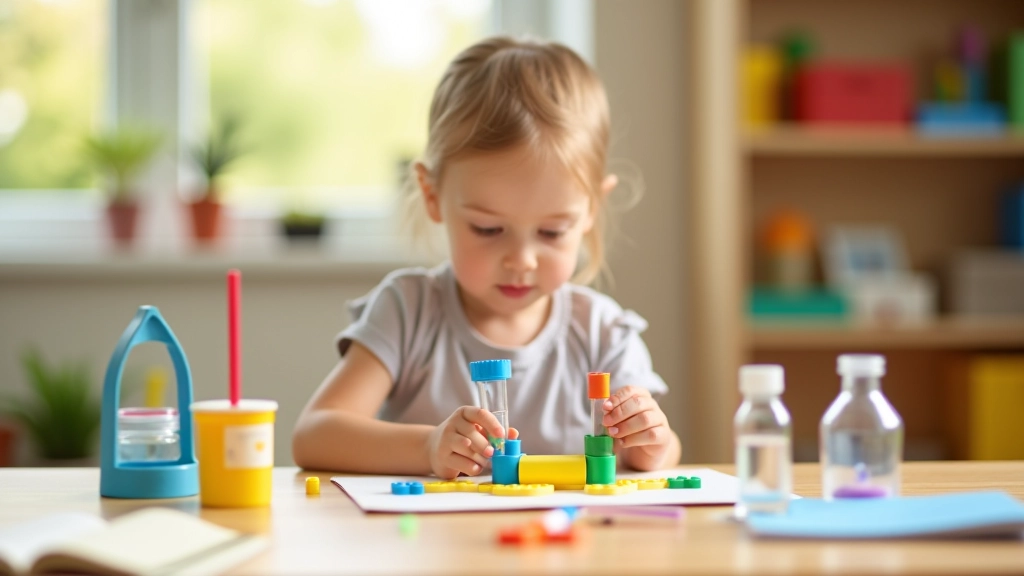
Simple, age-appropriate STEM activities that spark curiosity about science, technology, engineering, and math without requiring special equipment.
Read More
Structured creative activities including painting, collage, music, and dramatic play that encourage self-expression and cognitive development.
Read More
Comprehensive guide to tracking physical, cognitive, language, and social-emotional development from birth through age five with practical observation tips.
Read MoreWhat research shows about the critical years
By age three, a child's brain has formed most of the neural connections they'll use throughout life. Early experiences directly shape how these connections develop, affecting learning capacity, emotional regulation, and future success.
When kids engage in creative and physical play, they're actually developing problem-solving skills, social awareness, and emotional resilience. Play isn't separate from learning—it's the primary way young children understand their world.
Identifying developmental concerns early and providing targeted support makes a real difference. Most challenges addressed in preschool years respond well to intervention, setting kids up for school success.
Children thrive when families are engaged in their learning. You don't need fancy programs—just consistent interaction, conversation, and exploration. Your involvement is the most powerful tool for supporting development.
Browse by area of development and interest
How thinking, memory, and problem-solving skills grow through age-appropriate activities and exploration.
Supporting vocabulary growth, listening skills, and early literacy through conversation and storytelling.
Building emotional awareness, empathy, cooperation, and healthy relationships with peers and adults.
Gross and fine motor skill development through movement, play, and coordination-building activities.