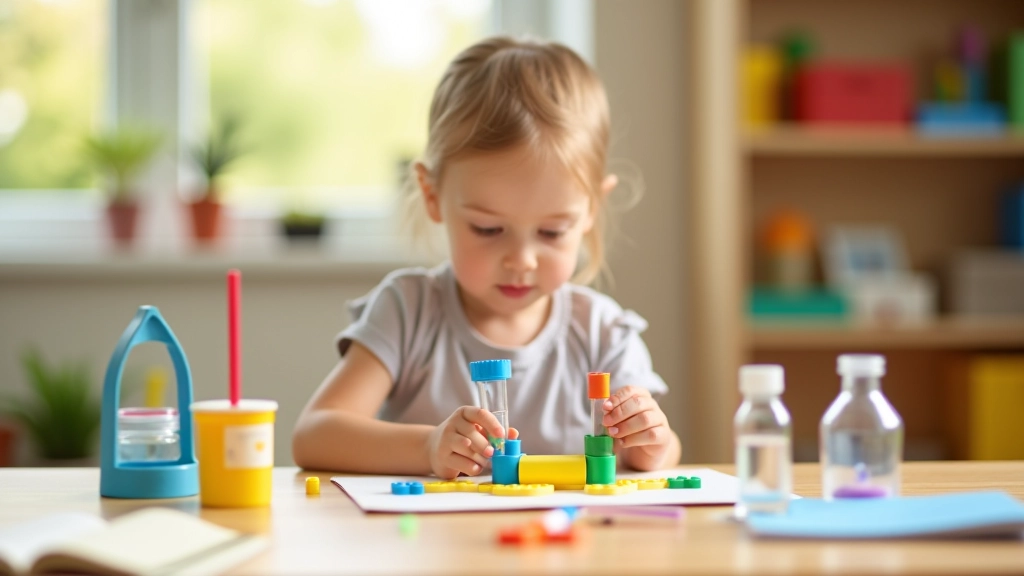
Creative Play Workshops That Boost Imagination
Structured creative activities including painting, collage, music, and dramatic play that encourage self-expression and cognitive development.

Why Creative Play Matters for Your Child
Creative play isn't just fun — it's how children develop crucial thinking skills, emotional resilience, and confidence. When kids paint, build, sing, or act, they're actually strengthening neural pathways that help with problem-solving, social skills, and self-expression.
The beauty of creative workshops is that they're structured enough to teach real skills while remaining playful enough to keep kids genuinely interested. We're not talking about rigid art classes where everyone makes the same thing. Instead, these are spaces where your child can experiment, make mistakes, and discover what they actually enjoy creating.
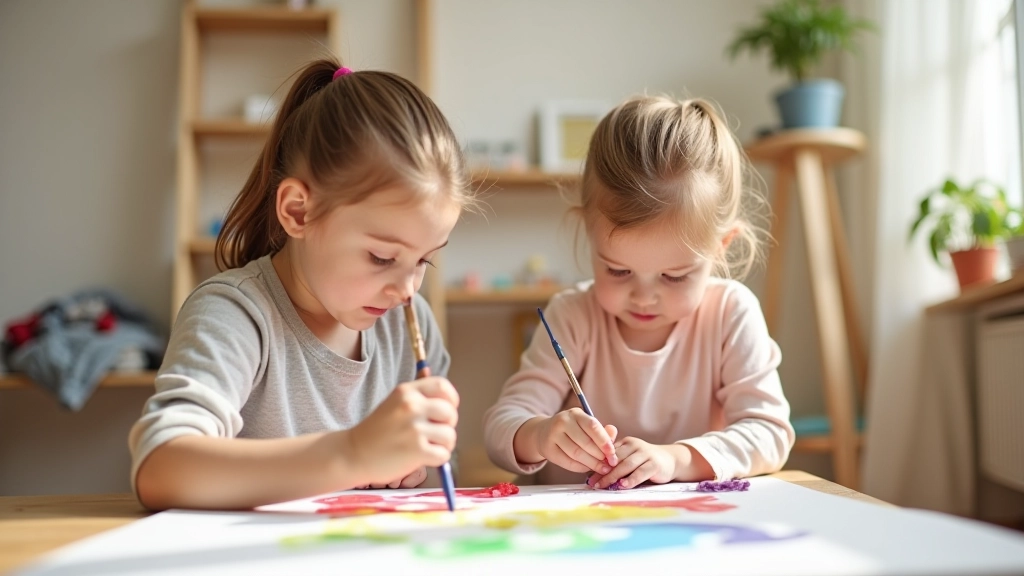
Core Benefits of Creative Workshops
What actually happens when children engage in structured creative activities
Imaginative Thinking
Children develop the ability to visualize ideas before creating them. This mental rehearsal strengthens their capacity to think abstractly and solve problems in new ways.
Emotional Expression
Art provides a safe outlet for feelings that kids sometimes can't put into words. Painting an angry storm or sculpting a happy figure helps them process emotions healthily.
Social Development
Group workshops teach collaboration, sharing materials, and respecting others' creative choices. Kids learn that different doesn't mean wrong.
Cognitive Growth
Fine motor skills improve through painting, cutting, and molding. Planning a project develops executive function. Mixing colors teaches cause and effect.
Confidence Building
Completing a project they're proud of gives kids tangible proof that they can create something meaningful. That matters way more than perfection.
Multisensory Learning
Using paint textures, music sounds, and dramatic play engages multiple senses at once. This creates richer learning experiences and stronger memory formation.
Common Workshop Formats
Not all creative workshops look the same, and that's actually the point. Different formats appeal to different kids and develop different skills.
Visual Arts Sessions
Painting and drawing workshops focus on color mixing, composition, and mark-making. Kids typically start with observation exercises (drawing what they see) before moving to imaginative work. A typical 60-minute session might include a 10-minute intro, 40 minutes of hands-on creation, and 10 minutes for sharing and reflection.
Music & Movement
These combine rhythm work, instrument exploration, and dance. Children learn that music is about expression, not performance perfection. They might explore how different instruments sound, create simple rhythms together, and move their bodies to music they've created.
Dramatic Play & Theater
Acting workshops develop confidence through storytelling and character exploration. Kids don't need scripts or formal productions. They're learning how to use their voice, body, and imagination to tell stories and explore different perspectives.
Mixed Media & Collage
Combining different materials teaches problem-solving. How do you make paper, fabric, and found objects stick together? How do colors work together? This format is especially good for kids who feel intimidated by blank pages.

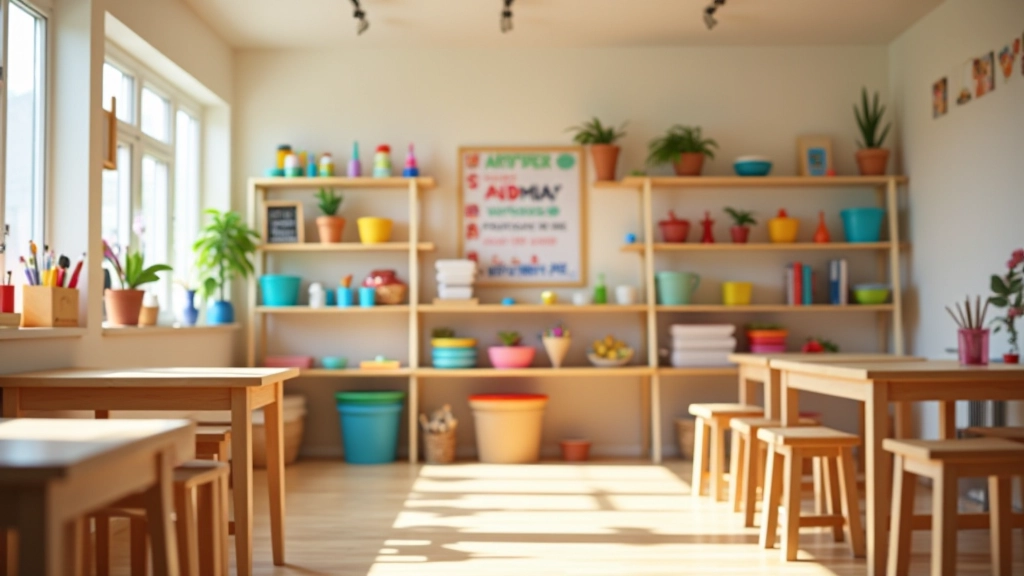
Creating Space for Creative Play
You don't need a fancy studio to run effective creative workshops. What you do need is intentional setup that lets kids focus on creating rather than worrying about mess.
Essential Elements
- Accessible materials: Supplies at kid-height on open shelves so children can grab what they need without asking
- Protective surfaces: Washable tables or covered work areas that make cleanup easier and reduce anxiety about spills
- Good lighting: Natural light from windows or bright LED lights so kids can see colors accurately
- Display space: A wall or board where finished work gets shown. This matters for confidence building
- Cleanup station: Aprons, paper towels, and a designated wash area so kids can clean up independently
- Quiet corner: A small space where overwhelmed kids can take a break without leaving the room
The setup communicates expectations. When materials are organized and accessible, kids understand they're welcome to explore. When there's a cleanup system, they learn responsibility.
Running Your First Workshop Session
Whether you're a parent planning a weekend activity or an educator designing a program, the structure remains similar. It's not complicated, but intention matters.
Set the Tone (5 minutes)
Start with enthusiasm but keep expectations loose. Show examples of what's possible without suggesting there's a "right way" to do it. Kids need permission to make something that looks nothing like your example.
Demonstrate Technique (5-10 minutes)
Show how materials work. How do you blend colors? How much water goes with the paint? How do you tear paper evenly? Keep it brief and do it yourself while they watch, then let them try.
Creation Time (30-40 minutes)
This is their time. Circulate, ask questions about what they're making, offer help when asked, but don't direct. Some kids will finish in 15 minutes. Others will stay focused for the full time. Both are fine.
Reflection & Display (5-10 minutes)
Have everyone show what they made and say one thing about it. Not "this is beautiful" but "I mixed blue and yellow to make green" or "I used a lot of glitter." This builds language skills and validates effort over appearance.

Handling Common Workshop Challenges
Every facilitator faces these situations. Here's what actually works.
The Perfectionist Kid
Some kids get frustrated if their work doesn't match their mental image. They might crumple up drawings or refuse to paint because they're "not good enough." Reframe this by celebrating mistakes. "Oh, that paint blob? That's how we discovered the color teal. That's actually a discovery." Help them see that experimentation is the point.
The Rushed Creator
Some kids finish immediately and want to move on. Don't make this a problem. Let them create multiple pieces, help clean up, or try a different medium. Sometimes people just work faster, and that's okay.
The Sensory-Sensitive Child
Paint texture, glue stickiness, or clay feel might genuinely bother some kids. Have alternatives ready. Markers instead of paint. Stickers instead of glue. Playdough instead of clay. Different doesn't mean less engaged.
The Distracted Participant
Not every kid is naturally into structured creative time. Some would rather play blocks or run outside. That's fine. Offer the workshop, keep it available, but don't force participation. Some kids need to watch before they join.
"We weren't sure if our daughter would sit still for a whole painting session. Turns out she loves it when there's no pressure to make something 'perfect.' She comes home talking about the colors she mixed and the designs she tried. It's like someone gave her permission to just experiment."
— Michelle, parent
Making Creative Play a Regular Practice
The magic of creative workshops isn't in any single session. It's in consistency. When kids know they have regular time to paint, build, or perform, they start bringing ideas to these sessions. They experiment more boldly. They take risks because they know they'll get another chance next week.
You don't need expensive art supplies or a professional facilitator. You need time, space, and genuine interest in what kids create. You need to ask questions instead of giving compliments. You need to let them get messy and help with cleanup.
Most importantly, you need to show up consistently. That's what tells kids that creative play matters. That imagination is worth protecting and developing. That their ideas have value.
Ready to Start Your Workshop?
Gather your materials, set up your space, and invite kids to create. You've got everything you need right here to make it meaningful.
Explore Related ResourcesAbout This Content
This article provides educational information about creative play workshops and their developmental benefits. It's not a substitute for professional developmental advice. If you have concerns about your child's development, emotional expression, or creative engagement, consult with their pediatrician or a child development specialist. Every child is unique, and what works for one may look different for another. The approaches described here are general guidelines based on early childhood education research, not prescriptive requirements. Your observations of your own child matter more than any general information.
Related Articles