
Introduction to STEM Learning for Young Children
Simple, age-appropriate activities that spark curiosity about science, technology, engineering, and math — no special equipment needed.
What Is STEM Learning Anyway?
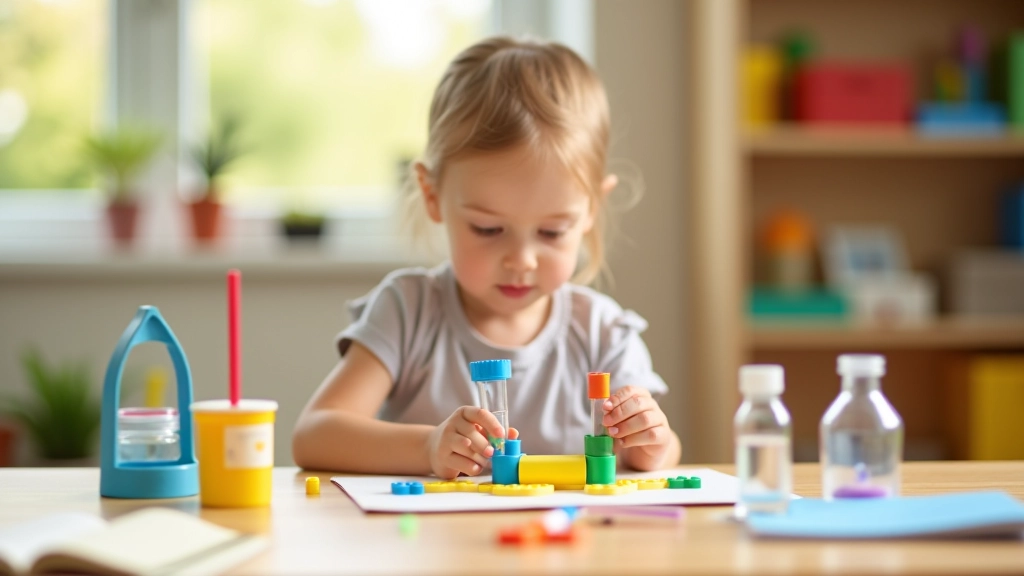
STEM stands for Science, Technology, Engineering, and Math — but honestly, you don't need to think of it as four separate subjects. It's really just giving kids opportunities to explore, experiment, and figure things out hands-on. When your child builds with blocks, mixes colors, or asks why the sky is blue, they're already doing STEM.
The thing is, young children learn by doing. They're naturally curious about how things work, what happens when they combine things, and why certain stuff floats while other stuff sinks. We're not talking about advanced robotics or calculus here — we're talking about everyday exploration that builds problem-solving skills and confidence. Most activities take less than 30 minutes and use stuff you probably have at home.

Why Start STEM Learning Early?
Ages 3-6 is when kids' brains are absolutely sponges. They're not self-conscious about making mistakes yet, and they're genuinely excited to explore. That's the sweet spot for building a love of learning that sticks with them.
Early STEM activities aren't about being "smart" or preparing for college. They're about developing everyday skills: observation, patience, trying again when something doesn't work the first time, and asking questions. When kids tinker with simple machines or watch a seed sprout, they're learning that cause-and-effect exists. They're building logical thinking without realizing it.
Key Benefits
- Builds confidence through hands-on success
- Develops problem-solving and critical thinking
- Encourages curiosity about the natural world
- Strengthens fine motor skills through manipulation
Simple Activities You Can Start Today
These aren't complicated or expensive. Most take 20-30 minutes and use materials from around your house.
Water Exploration
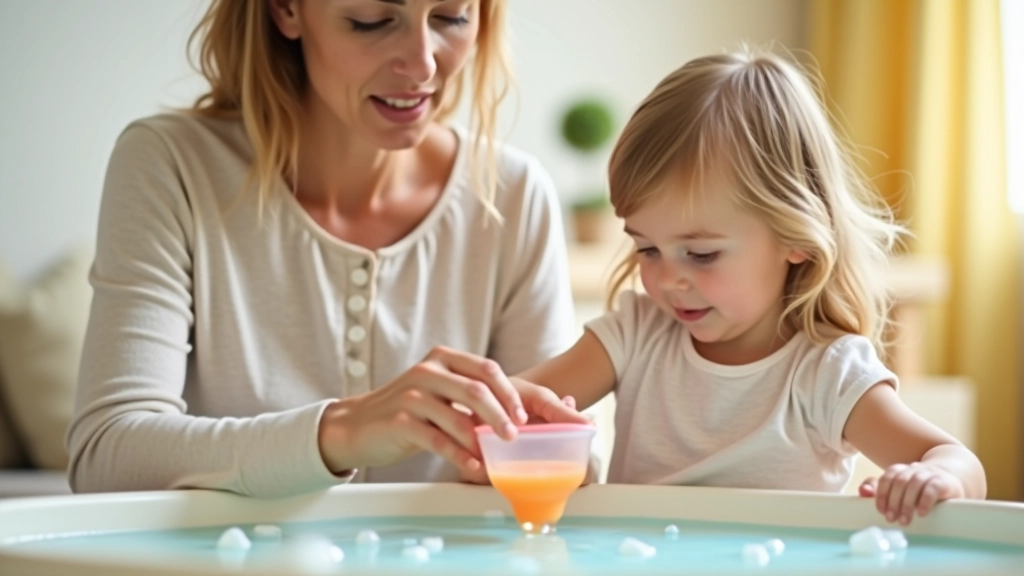
Fill a bin with water and add different objects — forks, sponges, plastic bottles, ice cubes. Your child predicts what floats and what sinks, then tests it. They're doing real science observation without even knowing it.
Building Challenges
Give them blocks or cardboard boxes and a goal: "Can you build a tower as tall as your knee?" or "Make a bridge between these two chairs." They figure out balance, stability, and spatial relationships through trial and error.
Growing Things
Plant seeds in clear cups so they can see roots developing. Check it daily, water it together, watch how it changes. This teaches patience, responsibility, and how living things grow and change.
Color Mixing
Use food coloring and water in clear cups. Mix primary colors to make new ones. It's simple chemistry that's visually amazing and immediately satisfying. Kids learn that actions create changes.
Simple Machines
Ramps made from books and cardboard. Pulleys with string and cups. Levers using a ruler and eraser. Show how simple tools make tasks easier. This is engineering in its most basic, playful form.
Magnet Play
Let them explore what magnets attract and repel. Put magnets under paper and see them move objects. Investigate which household items are magnetic. They're discovering invisible forces and how they work.
How to Make STEM Learning Work at Home
Here's what we've learned works best: keep it simple, let them take the lead, and don't worry about "correct" outcomes.
Ask Questions, Don't Give Answers
Instead of "that'll float," try "what do you think will happen?" Let them observe, guess wrong sometimes, and discover for themselves. That's how real learning happens.
Embrace the Mess
Water experiments get wet. Building sometimes means things fall. That's not a problem — it's part of learning. Put down a towel, let them explore, and clean up after. The learning is worth it.
Use Everyday Materials
You don't need a STEM kit or special equipment. Wooden spoons, plastic bottles, dirt, leaves, paper towel tubes — that's all material for exploration. Free is actually better because there's no "right way" to use it.
Keep It Short
With young kids, 15-30 minutes is the sweet spot. They've learned plenty, they're still interested, and everyone's happy. Quit while they want more — that builds enthusiasm for next time.
Make It Social
Do activities together. Talk about what you notice. When they see you curious and experimenting, it's contagious. You don't need to be a scientist — just be interested in their discoveries.


The Real Goal: Building Curious Thinkers
Forget about preparing them for a STEM career — that's way too far ahead. The real point is simpler and more important: you're showing them that the world is interesting, that it's okay to wonder about things, and that figuring stuff out is fun.
When a 4-year-old realizes they can make something happen through their own actions, something clicks. They get that they're not just a passenger in the world — they can experiment, test ideas, and see results. That's confidence. That's curiosity. That's the foundation for learning anything later.
"The important thing is not to stop questioning. Curiosity has its own reason for existing."
— Often attributed to Albert Einstein
STEM learning at this age isn't about being advanced or academic. It's about feeding that natural curiosity kids already have. They're going to wonder about things anyway — you're just giving them safe, fun ways to explore those questions.
Start Simple, Start Now
You don't need to be a scientist or engineer to introduce STEM concepts to your child. You just need to be willing to play, explore, and ask questions together. The activities in this guide require no special equipment, no special training, and no perfect conditions — just curiosity and a willingness to experiment.
Pick one activity this week. Watch your child discover something. See their eyes light up when they realize they made it happen. That's STEM learning at its best. And honestly? It's pretty fun for you too.
Explore More ResourcesRelated Articles



Important Disclaimer
This article is intended for informational and educational purposes only. The activities and suggestions provided are general guidance based on early childhood development principles. Every child develops at their own pace, and individual circumstances vary widely. Before introducing any new activities, especially those involving water, small objects, or materials that could be choking hazards, please supervise carefully and consider your child's specific age, developmental level, and any special needs. If you have concerns about your child's development or learning, consult with a pediatrician, early childhood educator, or developmental specialist who can provide personalized guidance.