Early Childhood Development
Building Fine Motor Skills Through Play
Hands-on activities and toys that strengthen hand coordination, pincer grasp, and dexterity for ages 18 months to 4 years.
Why Fine Motor Skills Matter
Fine motor skills are the small, precise movements your child makes with their hands and fingers. They're foundational for everything from writing and drawing to buttoning shirts and eating with utensils. The good news? You don't need fancy equipment or structured lessons to build these skills. Play is the most powerful tool you've got.
Between 18 months and 4 years, children's hand strength and coordination develop rapidly. It's not a race — every child moves at their own pace. But consistent, playful practice makes a real difference. Kids who develop strong fine motor skills early often find school activities like writing, cutting, and art projects easier and more enjoyable.
Simple Activities That Really Work
These aren't fancy interventions. They're the kinds of things you can do during quiet time, at the table, or while waiting for water to boil.
Threading & Beading
Start with large wooden beads and thick string. Your child practices gripping, hand-eye coordination, and patience. By age 3, they're ready for smaller beads. This single activity builds more hand strength than you'd expect.
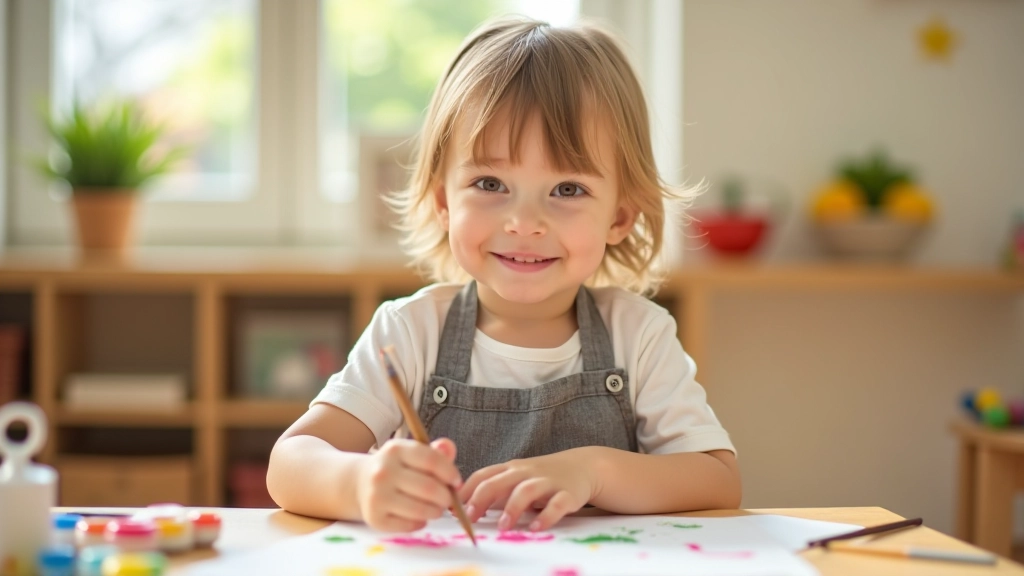
Painting & Coloring
Thick paintbrushes and chunky crayons are easiest for little hands. Let them explore without pressure to create "something." The grip and control matter more than the result.
Large Puzzles
4-8 piece puzzles are perfect for 18-24 months. By 3-4 years, your child can handle 12-20 pieces. Puzzle work develops problem-solving and fine motor control simultaneously.
Sensory Play
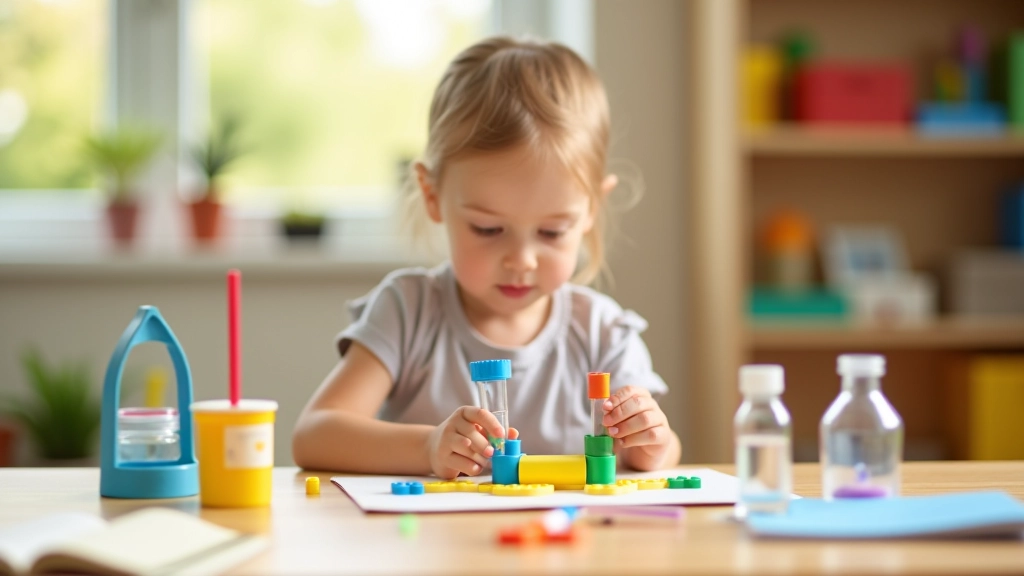
Sand, water, playdough, kinetic sand — these materials develop hand strength naturally. Your child squeezes, pours, molds, and digs. It's fun and it's building real capability.
Safe Cutting
Blunt-tip scissors and thick paper are safe. Start around age 3. Even if your child just crumples paper at first, they're building the hand strength needed for actual cutting.
Sticker Play
Peeling stickers develops the pincer grasp (thumb and finger grip) that's essential for writing. It doesn't feel like "work" but it's strengthening exactly what you need.
Toys & Tools That Make a Difference
You don't need an expensive collection. A few well-chosen items get used repeatedly and really pay off. Here's what actually matters:
- Chunky crayons and markers — Easier grip than thin ones. Lasts longer too.
- Thick paintbrushes — 1-2 inch brushes work better than tiny ones for young hands.
- Playdough — Develop hand strength by squeezing, rolling, and flattening. Homemade costs almost nothing.
- Wooden beads with string — Threading builds precision and patience. Start with beads at least 1 inch wide.
- Large-piece puzzles — 4-12 pieces depending on age. Wooden or foam puzzles hold up better than paper.
- Child-safe scissors — Blunt tips. Realistic cutting practice around age 3+.
- Building blocks — Stacking and balancing develops hand control. Start with larger blocks.
Pro tip: Rotate toys every few weeks. A puzzle that seemed boring two months ago feels fresh and engaging again. It extends the life of what you already own.
How to Make It Actually Happen
Good intentions don't build skills. Here's what works in real life.
01
Start With What They Love
Don't force activities. If your child loves water, do water play. If they're obsessed with stickers, buy more stickers. They'll practice fine motor skills while doing something they actually enjoy. That's the secret.
02
Keep It Short & Stress-Free
Five to ten minutes is plenty. If your child gets frustrated, stop. You're building skills and confidence, not forcing productivity. A frustrated kid won't want to practice next time.
03
Do It Together Sometimes
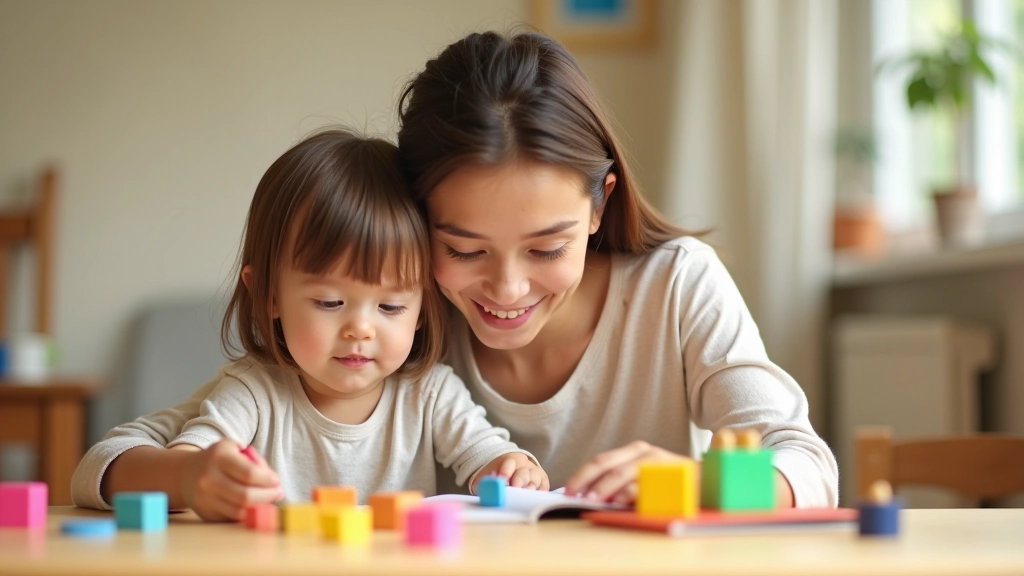
Model the activity. Show your child how you thread beads or use the scissors. Kids learn a lot just by watching. Plus, it's quality time that doesn't feel like "educational work."
04
Celebrate Progress, Not Perfection
Your 2-year-old's scribble is progress. The puzzle piece they finally fit in is a win. Notice and celebrate the effort and improvement. This builds confidence and a positive relationship with learning.
What to Expect at Each Age
Development isn't a checklist, but here's a realistic picture of what most children can do.
18-24 Months
Your child is scribbling, stacking 2-3 blocks, and starting to explore objects by poking and turning them. They can't quite pinch with thumb and finger yet, but they're getting there. Activities: large crayons, soft playdough, water play, simple board books to turn pages.
2-3 Years
Stacking improves (4-6 blocks), scribbling becomes more controlled, and the pincer grasp is developing. Your child can pick up small objects and may attempt to thread large beads. Activities: painting, 4-8 piece puzzles, playdough rolling, sticker peeling, simple building blocks.
3-4 Years
Real copying of lines starts. Your child can hold a pencil with better control, manage 12-20 piece puzzles, and attempt cutting with scissors (with help). Threading smaller beads is possible now. Activities: coloring books, scissors practice, complex puzzles, drawing, building with smaller blocks.
Ready to Get Started?
You've probably got most of what you need at home already. Grab a few items your child loves, set aside 5-10 minutes when you're both relaxed, and let play do the work. Progress happens gradually and naturally. Trust the process.
Explore More ActivitiesImportant Note
This article is educational information about typical child development and play-based activities. Every child develops at their own pace, and developmental timelines vary widely. If you have concerns about your child's fine motor development or physical abilities, consult your pediatrician or a child development specialist. This content is not a substitute for professional medical advice or assessment.
Related Articles